Developing a Neurodiagnostic Workforce
Share This:
Developing a Neurodiagnostic Workforce
The national shortage of qualified neurodiagnostic technologists presents a significant workforce challenge for epilepsy centers. The following ASET resources provide employers with practical tools and strategies to recruit, develop, and retain a skilled neurodiagnostic workforce. Workforce development strategies include partnering with existing accredited programs, developing in-house neurodiagnostic program, ASET Core EEG Curriculum, pursuing program accreditation. Retention strategies include supporting professional credentials, neurodiagnostic career ladder, and continuing education. Together, these approaches help expand the workforce while maintaining the education and competency standards essential to safe, high-quality neurodiagnostic testing.
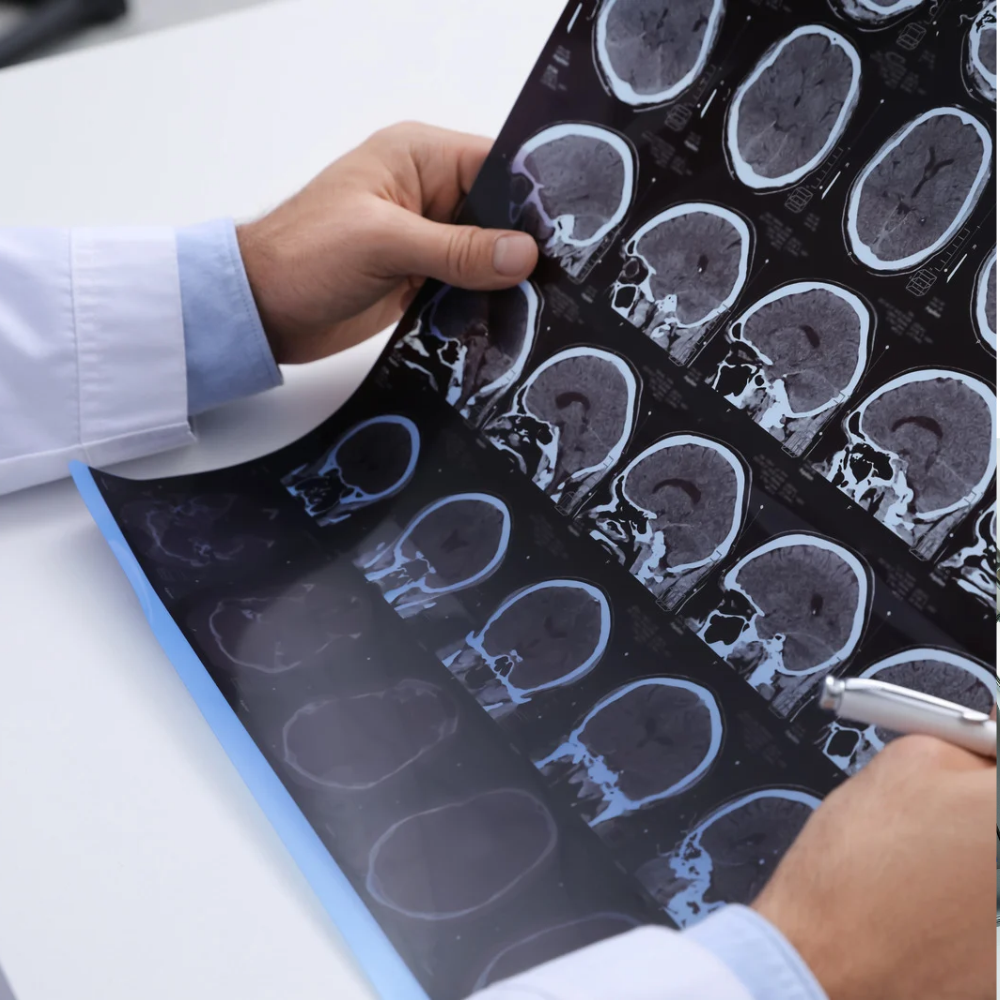
- Growing a Qualified Neurodiagnostic Workforce
Depending on available resources, current and future workforce needs, centers can choose to collaborate with existing neurodiagnostic education programs as clinical sites or develop in-house training programs for technologists.
Introduction- Workforce Development Models
Which training model is right for your facility?
| Training Model | Program Duration | ABRET Exam Eligibility | Best For | Advantages | Limitations | Initial Investment | Expected Return | |
|---|---|---|---|---|---|---|---|---|
A |
Clinical Site Partnership
With Neurodiagnostic Program |
Varies by Program | Pathway I or II | Hospitals seeking limited recruitment opportunities with minimal infrastructure development | Recruitment Access, limited initial investment, exposure to future workforce candidates | Limited control over student numbers, curriculum and scheduling | Preceptors (R.EEG T), clinical support time | Variable. May effectively meet workforce needs for hospitals seeking to recruit a small number of technologists (e.g., 1-2 positions annually) |
| CAAHEP Accredited | 1-4 Years | Pathway I | Teaching hospitals, small, medium hospitals | Gold standard education, established curriculum, seated and online didactic instruction | Limited number of programs, unavailable in many states | Preceptors (R.EEG T) | Limited. Supports alignment with educational standards but offers limited control over pipeline | |
| ABRET Accredited | 1 Year | Pathway II | Small, medium hospitals | Standard online or hybrid didactic education, established curriculum | Limited student control, no influence on curriculum design | Preceptors (R.EEG T) | Limited. Provides recruitment opportunities, scalability is dependent on external program | |
B |
Developing In-House
Neurodiagnostic program |
1 Year | Pathway II, IV | Large systems, organizations planning service expansion | Workforce pipeline development, control over student capacity, customizable curriculum, long-term sustainability | Greater initial infrastructure requirements and higher initial investment |
Educator (BS or higher) Preceptors (R.EEG T) Program development Recruitment support |
High. Provides an internal pipeline, improved retention, expanded service capacity, customizable training and greater operational |
A. Becoming a Clinical Site for an Existing Neurodiagnostic Program
a. CAAHEP Program Collaboration
CAAHEP Accredited Programs
b. ABRET Recognized Program Collaboration–
ABRET Recognized Programs
B. Developing In-House Neurodiagnostic Program
a. Curriculum and Educational Design
Clinical Training
Assessments and Competency Validation
Program Accreditation
Financing Neurodiagnostic Training Program
b. Program Development Handbook for Neurodiagnostic Technology
c. Neurodiagnostic Technology Program Graduate Competency CAAHEP
2. Clinical Site Resources – Educator / Preceptor Tools
Whether centers choose to develop an in-house program or collaborate with an existing neurodiagnostic education program, these tools are designed to help educators and clinical preceptors evaluate trainees, ensure competency, and prepare them for success as qualified neurodiagnostic technologists.
a. Clinical Site Resources, Clinical Sites Handbook Clinical Site Brochure/Preceptor Role, ABRET Measurement Form
b. Neurodiagnostic Technology Program Graduate Competency CAAHEP
c. EEG 302 Checking Measurements (free online course)
3. Workforce Retention Strategies
Retention of qualified technologists is as important as workforce development. Centers that provide structured career progression, support professional credentials, and foster an environment that encourages ongoing learning and professional growth are better positioned to retain qualified technologists.
a. Neurodiagnostic Career Ladder developed jointly by ASET, ACNS, ASNM and AANM this resource outlines competency and credentialing expectations for each career level and provides a model for centers to establish structured career pathways for neurodiagnostic technologists.
b. Professional credentials- provide evidence that neurodiagnostic technologists have demonstrated the knowledge and competencies required to meet established professional standards. By recognizing and prioritizing these credentials, employers demonstrate that their workforce has been appropriately vetted for these qualifications while reinforcing the value of credentialing in hiring, professional advancement, and workforce development. Pathways to Neurodiagnostic Credentials
c. Continuing Education (CE)– Physicians can support the professional growth of neurodiagnostic technologists by providing ongoing education, mentorship, and opportunities to review records and case studies for clinical correlation. Encouraging participation in continuing education, quality improvement activities, professional organizations, and local and national conferences helps technologists maintain credentials, expand clinical knowledge, and strengthen competency.